TL;DR:
- Emergency power stations provide reliable, portable electricity for critical devices during outages, ensuring safety and comfort.
- They can run medical equipment, appliances, and communication devices without noise or fumes, especially when paired with solar panels.
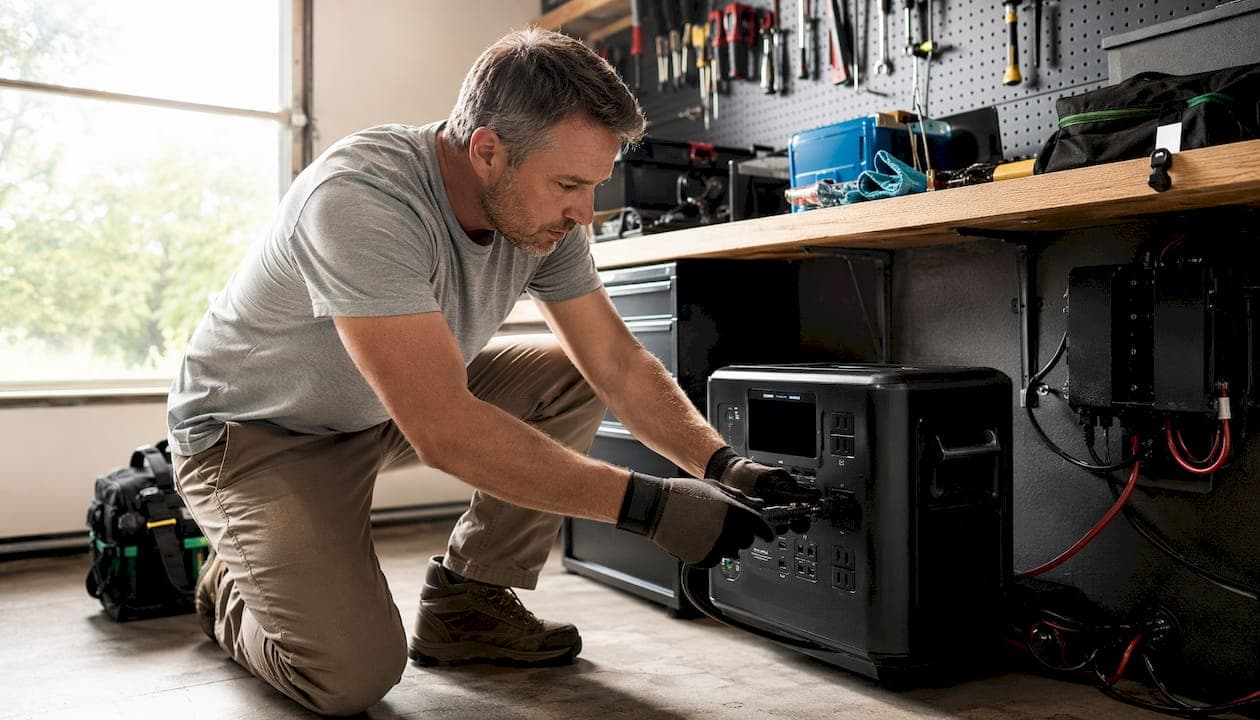
Emergency power stations give you reliable, portable electricity for essential devices and systems when the grid goes down, protecting your health, communication, and comfort without the noise or fumes of a gas generator. Whether you're facing a hurricane, a winter ice storm, or a simple neighborhood blackout, knowing the real-world applications for these units helps you prepare with confidence.
Table of Contents
- Practical examples of emergency power station uses at a glance
- What an emergency power station is and why every home needs one
- Real-life emergency power station scenarios that matter most
- How to choose the right emergency power station for your home
- Safe operation and maintenance practices for your power station
- Toddra has the portable power your home deserves
- Key Takeaways
Practical examples of emergency power station uses at a glance
The most common and critical ways homeowners use emergency power stations cover a wide range of needs, from medical to everyday comfort.
- Medical devices: CPAP machines, oxygen concentrators, and nebulizers can run reliably on a small power station during outages of up to 24–48 hours, keeping health-critical routines uninterrupted.
- Safe lighting: LED lamps and work lights plugged into a power station eliminate the fire risk of candles during extended blackouts.
- Phone and device charging: Keeping smartphones, tablets, and two-way radios charged means you stay connected to emergency alerts and family.
- Internet access: A power station can keep your router and modem running, supporting remote work, online schooling, and real-time disaster updates.
- Small appliances: Mini refrigerators, fans, and electric blankets stay operational, protecting food and maintaining safe temperatures.
- HVAC support: Running a portable fan or small space heater prevents secondary hazards. Experts at NEMA note that maintaining environmental control during outages is critical to avoiding pipe bursts and mold growth.
- Outdoor and travel use: Campers, RV travelers, and emergency kit builders use portable power stations to run lights, charge devices, and power small cooking appliances off-grid.
Pro Tip: Before an outage hits, list every device your household depends on and check its wattage. Add those numbers up to find the minimum capacity your power station needs.
What an emergency power station is and why every home needs one
An emergency power station is a rechargeable battery unit with multiple output ports, typically including AC outlets, USB ports, and 12V DC connections, housed in a portable case you can carry indoors. Unlike a traditional gas generator, it produces no exhaust, runs quietly, and can be safely used inside your home. Most modern units use LiFePO4 battery chemistry, which offers a longer cycle life and better thermal stability than older lithium-ion designs.
The National Electrical Code defines emergency systems as those legally required to supply power within 10 seconds of a utility failure and maintain operation for a minimum of 90 minutes. Home power stations are not code-regulated in the same way, but the principle is the same: fast, dependable power when you need it most.
Power outages are becoming more frequent and longer-lasting as aging grid infrastructure meets the growing pressure of climate-driven weather events. Romany Webb, a researcher at Columbia University's Sabin Center for Climate Change, has stated: "The reality is the electricity system is old, and a lot of the infrastructure was built before we started thinking about climate change. It's not designed to withstand the impacts of climate change."
Key features to look for in a home unit:
- Battery capacity measured in watt-hours (Wh), which determines how long devices can run
- Peak and continuous output in watts, which determines which appliances it can handle
- Recharging options including AC wall outlet, solar panels, and 12V car port
- Port variety covering AC, USB-A, USB-C, and 12V for maximum device compatibility
| Feature | Why it matters |
|---|---|
| LiFePO4 battery | Longer lifespan, safer chemistry, better heat tolerance |
| Solar input | Recharges during extended outages when grid power is unavailable |
| AC output | Powers standard household appliances directly |
| Expandable capacity | Add battery packs to extend runtime for multi-day events |
For a deeper look at how these systems function, Toddra's complete emergency power guide walks through every component in plain language.
Real-life emergency power station scenarios that matter most
Understanding backup power use cases in context makes the difference between a unit that sits in a closet and one that genuinely protects your household.
Medical and life-safety backup. For anyone who depends on a CPAP machine, home oxygen concentrator, or insulin refrigeration, a power outage is a medical event. A small power station can sustain a CPAP during outages lasting 24–48 hours, giving you time to arrange longer-term solutions if the outage continues.
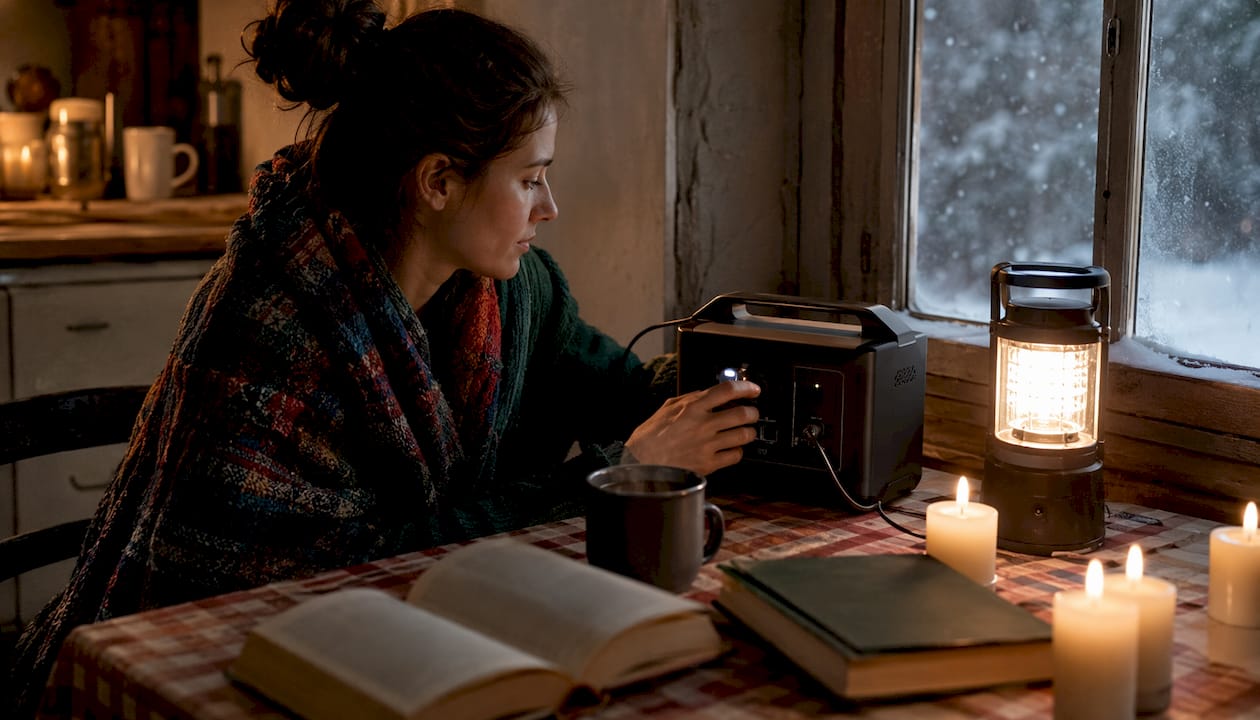
Extended blackouts and home comfort. When a winter storm knocks out power for several days, the risks go beyond inconvenience. Backup power for HVAC systems prevents frozen pipes and the mold that follows when heating fails. A power station running a small space heater or a fan keeps your home livable and structurally safe.
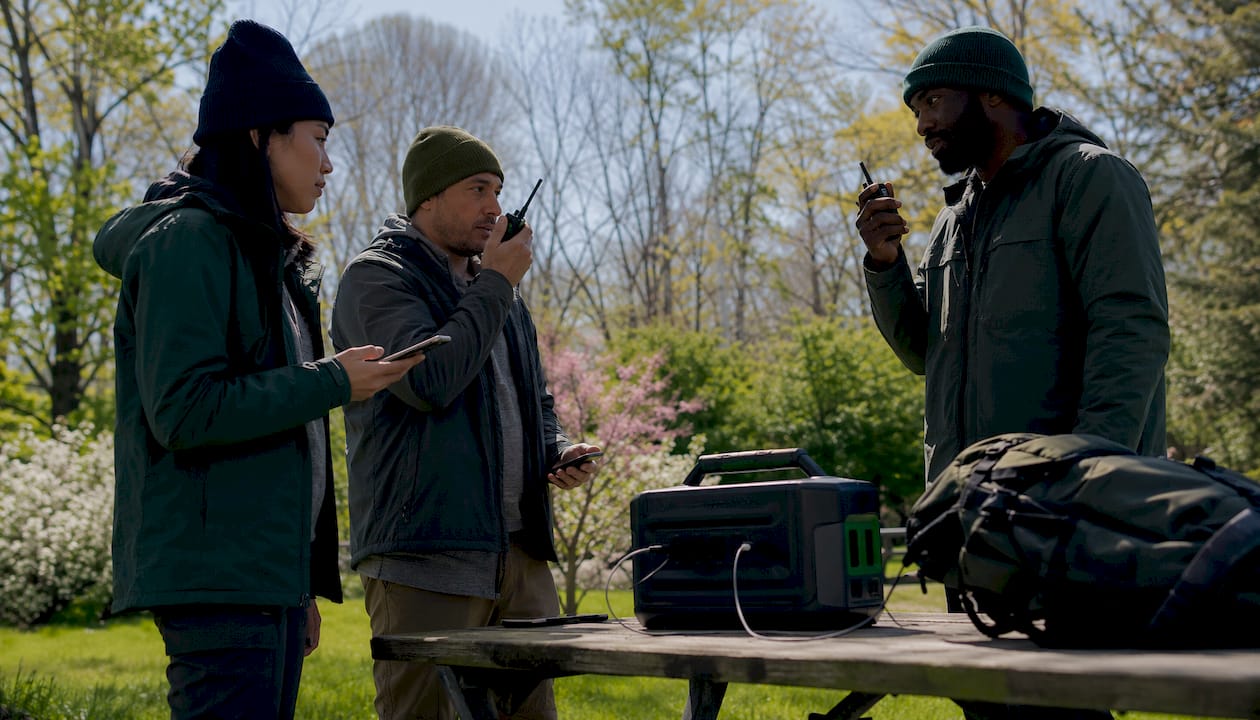
Natural disaster communication. After a hurricane or earthquake, cell towers can be overwhelmed and internet service spotty. Keeping your router, phone, and a battery-powered weather radio charged means you receive evacuation orders and can reach family. Power stations during disaster scenarios are most valuable precisely when the grid is down for days, not hours.
Remote work and schooling. A single outage can cost a remote worker a full day of productivity or a student a critical exam session. Running a laptop, monitor, and router from a power station keeps those obligations on track.
Camping and outdoor emergency kits. Portable power stations travel well. Families use them on camping trips to charge devices, run a small cooler, and power lights, then bring the same unit home as their household backup.
Combining a portable battery station with solar panels dramatically increases resilience in multi-day outages, since you can recharge the unit each day without grid access. Hybrid power strategies that pair batteries with solar or a generator are the most dependable approach for extended loss-of-power scenarios.
Pro Tip: Pair your power station with a solar panel rated for its input wattage. On a clear day, you can recover a meaningful portion of the battery's capacity, turning a one-day unit into a multi-day solution.
Here is a quick look at how capacity maps to common household scenarios:
| Scenario | Recommended capacity | Key devices covered |
|---|---|---|
| Overnight medical device use | — | CPAP, phone charging, LED light |
| 1–2 day family blackout | — | Router, laptop, fan, mini fridge |
| Extended multi-day outage | — | Space heater, refrigerator, multiple devices |
| Camping or travel kit | — | Lights, phone, small appliances |
For families weighing solar charging advantages, pairing a power station with a compatible solar panel is one of the most practical investments in 2026 preparedness.
How to choose the right emergency power station for your home
Choosing well starts with a load assessment. Experts recommend defining your load by separating life-safety devices from comfort items, then sizing your unit to cover the former completely and the latter as budget allows.
Key decision factors:
- Watt-hour capacity: Add up the wattage of every device you plan to run and multiply by the hours you need. That gives you the minimum Wh rating to look for.
- Peak output: Some appliances, like refrigerators and fans, draw a surge of power at startup. Your station's peak output must exceed that surge.
- Port selection: Confirm the unit has enough AC outlets, USB-C ports, and 12V outputs for your specific devices.
- Recharging speed: A unit that takes 12 hours to recharge from an AC outlet is far less useful than one that accepts fast charging or solar input.
- Expandability: For households with higher needs, units that accept external battery packs let you grow capacity without replacing the whole system.
The Jackery Battery Pack 5000 Plus Expansion Battery 5040Wh is a strong example of the expandable approach. With 5,040Wh of additional capacity, it pairs with compatible power stations to extend runtime dramatically, making it well-suited for multi-day outages or households with medical devices that cannot afford interruption. You can find it at Toddra's product page alongside the compatible station it pairs with.
For a side-by-side look at portable versus stationary options, Toddra's 2026 portable vs. stationary guide covers the trade-offs clearly. If you're also evaluating whether a solar battery is worth adding to your setup, that analysis is worth reading before you finalize your purchase.
Safe operation and maintenance practices for your power station
Getting the most from your power station over the long term comes down to a few consistent habits.
- Store it charged. Keep the battery at 50–80% charge during storage. A fully depleted battery left for months degrades faster than one maintained at a partial charge.
- Recharge after every use. After any outage or camping trip, recharge the unit promptly. Waiting weeks with a depleted battery shortens its overall lifespan.
- Test it quarterly. Plug in a device, run it for 30 minutes, and confirm all ports and the display are working correctly. Catching a fault before an emergency is far better than discovering it during one.
- Manage your load. Never run the unit above its rated continuous output for extended periods. Prioritize life-safety and medical devices first, then add comfort items only if capacity allows.
- Ventilate the space. Even though power stations produce no exhaust, they generate some heat during heavy use. Keep them in a well-ventilated area and away from direct sunlight or heat sources.
- Follow placement guidelines. Generator placement considerations that apply to larger systems, such as keeping power equipment away from flammable materials and in accessible locations, translate directly to home power station safety.
- Combine with solar for resilience. Combining batteries with solar improves resilience against multi-day disasters by allowing daily recharging without grid access. A solar panel rated to your station's input wattage is the single most effective upgrade you can make.
Pro Tip: Set a calendar reminder every three months to run your power station through a partial discharge and recharge cycle. This keeps the battery management system calibrated and gives you confidence the unit will perform when it counts.
Toddra has the portable power your home deserves
When a power outage threatens your family's comfort, health, and safety, you want a solution you can trust without complicated installation or ongoing maintenance contracts. Toddra offers carefully selected portable power stations, solar generators, and expansion batteries built around LiFePO4 technology, fast charging, and solar compatibility, all backed by US-based customer service and a secure checkout.
The Jackery Battery Pack 5000 Plus Expansion Battery 5040Wh available at Toddra is a practical choice for homeowners who want the flexibility to expand their system as their needs grow. Whether you're powering a CPAP machine through the night, keeping your refrigerator running through a two-day storm, or building a full solar-plus-battery setup for extended resilience, Toddra's product range is sized and priced for real households. Visit Toddra today to find the right unit for your home and get it ready before the next outage arrives.
Key Takeaways
Emergency power stations are most valuable when sized to your specific medical and household load, paired with solar charging, and tested regularly before an outage occurs.
| Point | Details |
|---|---|
| Match capacity to your load | Add up device wattages and multiply by hours needed to find your minimum watt-hour requirement. |
| Medical devices come first | A small power station can sustain a CPAP machine during outages of 24–48 hours. |
| HVAC backup prevents secondary damage | Running a fan or heater during outages prevents pipe bursts and mold, not just discomfort. |
| Solar pairing extends resilience | Combining a battery station with solar input turns a one-day unit into a multi-day solution. |
| Toddra for expandable home backup | The Jackery Battery Pack 5000 Plus Expansion Battery 5040Wh at Toddra adds 5,040Wh of capacity for extended outages. |