TL;DR:
- A solar folding panel converts sunlight into DC electricity using monocrystalline cells arranged on foldable segments. These panels are portable, lightweight, and designed to withstand outdoor conditions, making them ideal for camping and emergency use. Connecting panels above 50W to a power station ensures safe and regulated power for devices.
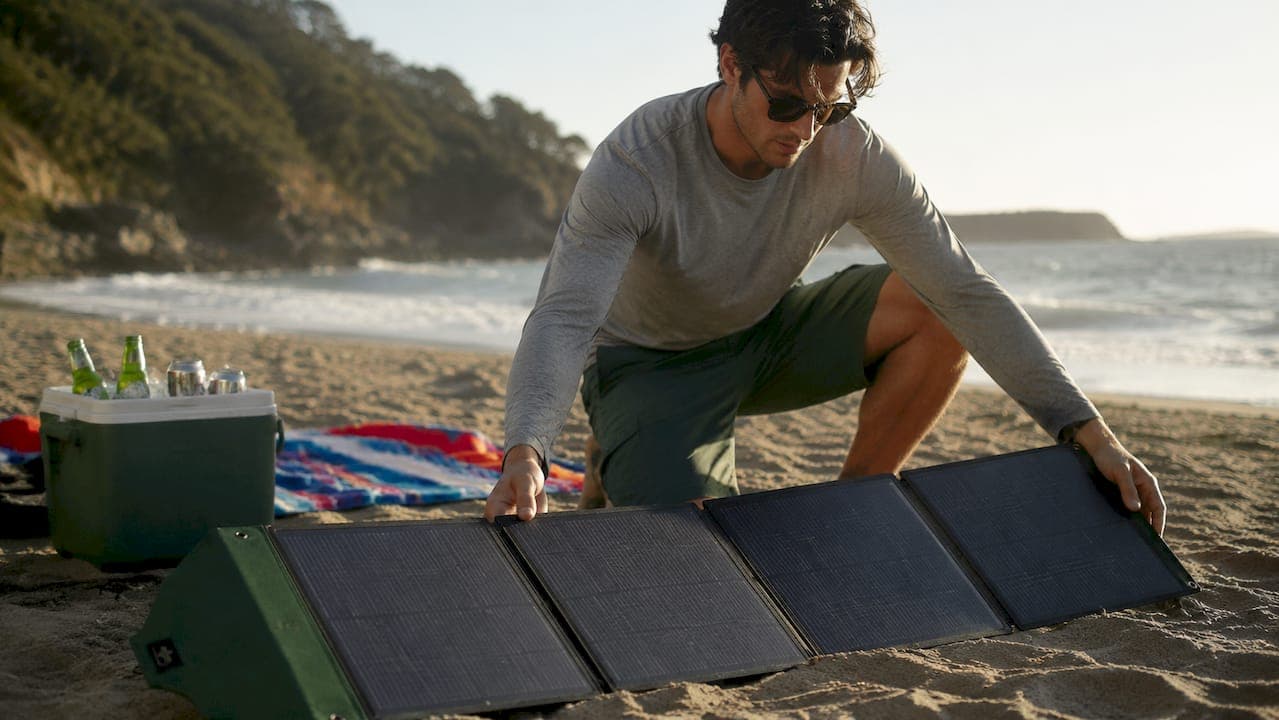
A solar folding panel is a portable photovoltaic device that converts sunlight into direct current (DC) electricity using monocrystalline solar cells arranged across foldable, hinged segments. Understanding how solar folding panel works matters whether you're planning a camping trip, preparing for a power outage, or looking for a reliable off-grid energy source. These panels range from 20W to 200W and weigh as little as 3 lbs, making them genuinely practical for hikers, overlanders, and emergency preparedness kits. The core technology is the same as a rooftop panel. The difference is in the engineering that makes it fold, travel, and survive the outdoors.
How does a solar folding panel convert sunlight to electricity?
Solar folding panels use monocrystalline photovoltaic cells to convert sunlight into electricity. Each cell is made from a single crystal of silicon, which gives electrons a clean, unobstructed path to move when photons from sunlight strike the surface. That movement of electrons creates a DC current, which flows out through the panel's wiring to a connected device or power station.
The efficiency of this conversion is the key metric to watch. Modern folding panels achieve 15%–23% efficiency, meaning they convert that percentage of incoming sunlight into usable electricity. A panel at the lower end of that range still charges a phone or small device reliably. A panel at 23% efficiency produces noticeably more power from the same surface area, which matters when you're carrying a compact unit on a trail.
Real-world output drops below the rated wattage on cloudy days or when the panel sits at a poor angle. PERC cell technology addresses this by adding a reflective layer behind the silicon, bouncing unused light back through the cell for a second pass. This keeps output more consistent under partial cloud cover and in the early morning or late afternoon hours when sunlight hits at a low angle.
What affects real-world output?
- Cell quality: Monocrystalline cells outperform polycrystalline cells at the same wattage rating.
- Temperature: Solar cells lose efficiency as they heat up. Panels with good airflow underneath perform better in direct sun.
- Shading: Even partial shading on one cell can reduce output across the entire panel if bypass diodes are absent.
- Angle: A panel lying flat on the ground captures far less energy than one tilted toward the sun.
What makes folding panels portable without breaking the cells?
The folding mechanism is the most critical structural element in a portable solar panel. Fragile silicon cells crack under uneven mechanical stress, so the hinge design must distribute bending forces evenly across the panel's segments rather than concentrating them at a single point. Segmented hinges spread mechanical stress across the fabric backing rather than letting it concentrate at the cell edges, which is where microcracks start.
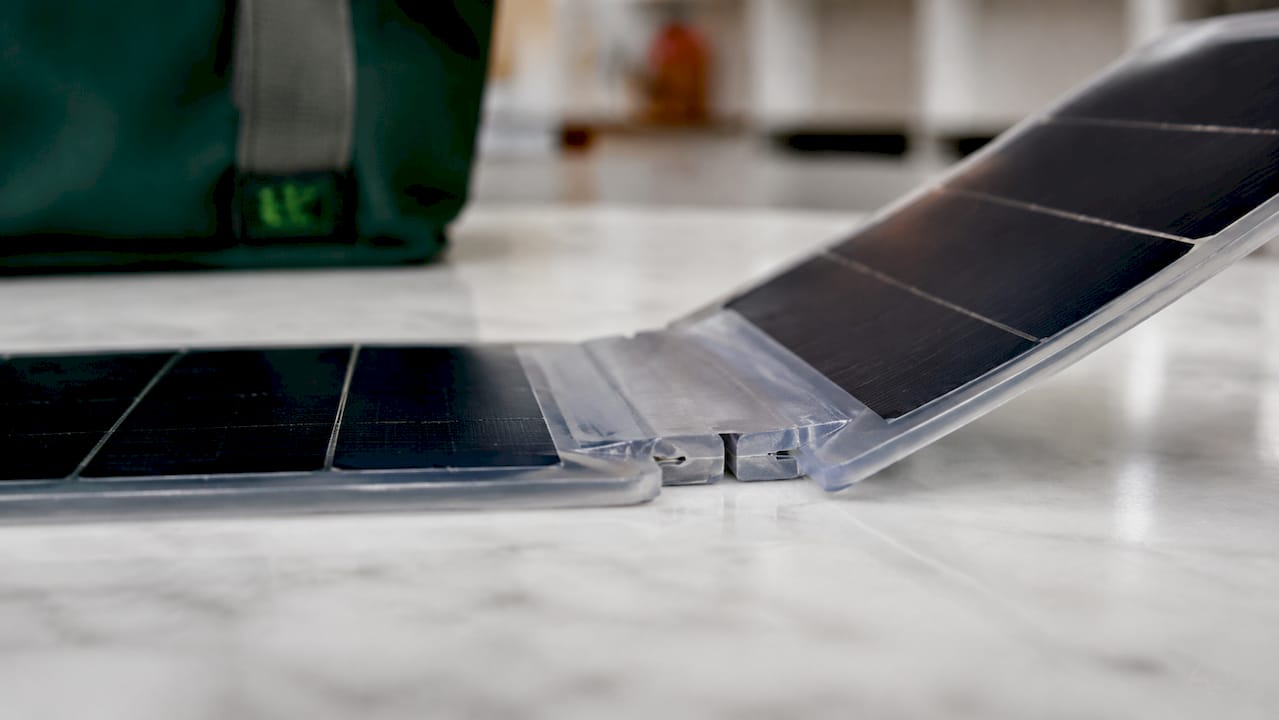
The surface material on most quality folding panels is ETFE (ethylene tetrafluoroethylene), a fluoropolymer film that is lighter and more flexible than glass while still resisting UV degradation, scratches, and moisture. The backing is typically a durable nylon or Oxford fabric that holds the cells in position and protects the wiring. Together, these materials keep the panel light enough to carry while protecting the cells from the elements.
Consumer folding panels typically weigh 3–7 lbs, which puts them in the same range as a water bottle and a small camp stove combined. That weight makes them realistic for backpackers who count every ounce. Larger, higher-wattage models sit at the heavier end of that range but still fold down to roughly the size of a laptop bag.
Pro Tip: Always fold and unfold your panel slowly and along the designed hinge lines. Forcing a panel to bend at an unintended point is the fastest way to create invisible microcracks in the cells, which cause permanent power loss over time.
- ETFE surface: Lightweight, UV-resistant, and self-cleaning in rain.
- Fabric backing: Flexible and tear-resistant, holds the panel shape when unfolded.
- Segmented hinges: Protect cells by distributing bending stress evenly.
- Carry handle and kickstand: Built into most models for easy transport and positioning.
How do you connect a folding panel to your devices?
Folding panels connect to devices and power stations through standardized connectors. MC4 connectors are the industry standard for higher-wattage panels, offering a weather-resistant, plug-and-play connection that works with most portable power stations. Smaller panels often include USB-A and USB-C ports for direct device charging without any additional equipment.
The connection method you choose depends on what you're powering. Here is the recommended setup process for outdoor and emergency use:
- Position the panel facing the sun at an angle between 0° and 80°, adjusted for your latitude and time of day. Angle adjustment between 0° and 80° is the single most effective way to increase real-world output.
- Connect to a portable power station using the MC4 cable or the panel's included adapter. The power station handles voltage regulation, protecting your devices from unregulated DC current.
- Plug your devices into the power station's AC or USB outlets. The station converts and regulates the power before it reaches your phone, laptop, or medical device.
- Monitor output through the power station's display or app. Most stations show live solar input in watts, so you can reposition the panel if output drops.
- For small devices only, use the panel's built-in USB ports directly. This works safely for phones and earbuds but not for laptops or anything requiring stable voltage.
Direct connection of high-wattage panels to sensitive electronics without voltage regulation risks permanent device damage. A power station acts as the buffer, storing energy and delivering it at the correct voltage and current for each device. This pairing is the safest and most practical setup for any panel above 50W.
How do foldable panels compare to rigid panels in performance and lifespan?
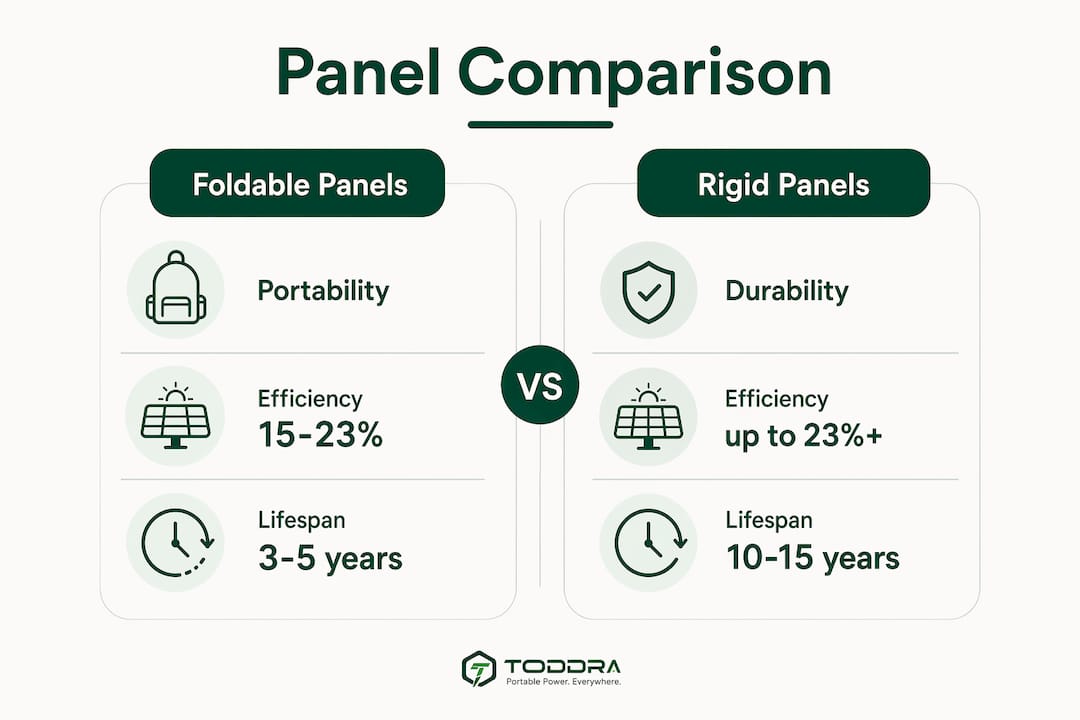
Foldable panels trade some durability and efficiency for portability. That trade-off is worth understanding before you buy.
| Feature | Foldable panels | Rigid panels |
|---|---|---|
| Efficiency range | 15%–23% | Up to 23%+ |
| Typical lifespan | 3–5 years with heavy use | 15–25 years |
| Weight | 3–7 lbs | 15–40+ lbs |
| Portability | Folds to bag size | Fixed mount only |
| Weather protection | ETFE film, fabric backing | Tempered glass, aluminum frame |
| Best use case | Camping, hiking, emergencies | Rooftop, RV, fixed installations |
Foldable panels degrade faster than rigid panels due to repeated mechanical stress at the fold points and the absence of a rigid protective frame. Rigid panels with tempered glass and aluminum frames resist physical damage and UV degradation far better over the long term. The lifespan gap is significant: 3–5 years of heavy use for a foldable panel versus 15–25 years for a quality rigid panel.
Mechanical stress at the fold points creates microscopic cracks in silicon cells over time. These microcracks cause hot spots, areas where current flow is disrupted and heat builds up, leading to permanent voltage loss in affected cells. The damage is invisible until output drops noticeably. Careful handling and proper storage extend panel life significantly.
Pro Tip: Store your folding panel flat or loosely folded, never tightly rolled or compressed under heavy gear. Pressure on the cells during storage is a leading cause of early microcrack formation.
For hikers, overlanders, and emergency preparedness users, the portability advantage outweighs the shorter lifespan. A rigid panel cannot go in a backpack. A foldable panel can power a weekend trip, a week-long expedition, or a three-day emergency with the right power station paired alongside it.
How to use solar folding panels effectively outdoors and in emergencies
Getting the most from a folding panel comes down to placement, pairing, and care. These practical steps apply whether you're at a campsite or managing a power outage at home.
- Tilt toward the sun. A panel lying flat loses a significant portion of its potential output. Use the built-in kickstand and adjust the angle throughout the day as the sun moves. Check out campsite charging setups for real-world positioning examples.
- Choose the right wattage. A 20W–40W panel charges phones and small devices. A 100W–200W panel charges a portable power station at a useful rate. Match wattage to your actual power needs before buying. The right power station wattage guide covers this in detail.
- Allow airflow under the panel. Heat reduces efficiency. Propping the panel slightly off the ground or a hot surface keeps the cells cooler and output higher.
- Keep the surface clean. Dust, pollen, and bird droppings reduce output. A damp cloth wipe before use takes 30 seconds and can recover several watts of lost output.
- Pair with a portable power station. Solar panels only generate power when the sun shines. A power station stores that energy so you can use it at night or during cloudy periods. This pairing is the foundation of any reliable solar-powered camping setup.
- Store carefully. Fold along the designed hinge lines, avoid stacking heavy objects on top, and keep the panel in its carry case when not in use.
For emergency preparedness, a 100W panel paired with a mid-capacity power station covers phone charging, LED lighting, a small fan, and a CPAP machine for several days without grid power.
Key Takeaways
A solar folding panel works by converting sunlight into DC electricity through monocrystalline photovoltaic cells, then delivering that power safely through a portable power station that regulates voltage for connected devices.
| Point | Details |
|---|---|
| Photovoltaic conversion | Monocrystalline cells achieve 15%–23% efficiency, with PERC technology improving output in low light. |
| Folding design protects cells | Segmented hinges and ETFE surfaces distribute stress and resist UV damage during transport. |
| Always pair above 50W | Connect panels above 50W to a power station to regulate voltage and protect devices. |
| Lifespan trade-off | Foldable panels last 3–5 years under heavy use versus 15–25 years for rigid panels. |
| Angle and airflow matter | Adjusting tilt between 0° and 80° and allowing airflow under the panel maximizes real-world output. |
Why foldable panels changed how I think about portable power
I used to assume that "portable solar" was a compromise. You'd carry a small panel, get trickle-level output, and spend the day anxious about your phone battery. That assumption held up until I started pairing higher-wattage folding panels with proper power stations instead of plugging directly into the panel's USB port.
The shift in thinking is this: the panel is not the power source. It's the charger for the power source. Once you accept that, the whole system makes sense. A 100W folding panel charging a 500Wh power station during the day means you have real, usable energy at night, in the tent, or during an emergency. The panel's job is to replenish the station. The station's job is to power your life.
The lifespan concern is real, and I don't dismiss it. Microcracks from repeated folding are a genuine failure mode, and I've seen panels lose 20% of their rated output after two seasons of rough use. The answer is not to avoid foldable panels. The answer is to handle them carefully, store them properly, and buy from brands that use quality ETFE surfaces and well-engineered hinges. The technology in 2026 is meaningfully better than it was five years ago, and the gap between foldable and rigid efficiency continues to close. For anyone who moves, travels, or prepares for the unexpected, a quality folding panel is not optional gear. It's foundational.
— Jackson
Toddra's portable power solutions for solar panel users
Folding solar panels deliver their full value when paired with a power station built to handle solar input safely and efficiently. Toddra carries a carefully selected range of portable power stations and solar generators designed for outdoor adventures, emergency preparedness, and off-grid use. Every product in the Toddra lineup supports solar charging input, so your folding panel connects and charges without compatibility guesswork.
Toddra's power stations use LiFePO4 battery technology for safe, stable energy storage with a long cycle life. US-based customer support and secure checkout make the buying process straightforward. Whether you need a compact station for weekend camping or a high-capacity unit like the Jackery SolarSaga 500 X for extended off-grid trips, Toddra has a solution that pairs reliably with your folding panel setup.
FAQ
What is a solar folding panel?
A solar folding panel is a portable photovoltaic device that converts sunlight into DC electricity using monocrystalline cells arranged across foldable, hinged segments. It folds down for easy transport and unfolds for use at campsites, on trails, or during power outages.
How efficient are folding solar panels?
Modern folding panels achieve conversion efficiencies of 15%–23%, with PERC-enhanced monocrystalline cells performing well even under partial cloud cover. Real-world output depends on angle, temperature, and cell quality.
Can I plug my phone directly into a folding solar panel?
Small panels with built-in USB ports can safely charge phones and earbuds directly. Panels above 50W produce unregulated DC output that can damage sensitive electronics, so pairing with a portable power station is the recommended practice.
How long do foldable solar panels last?
Foldable panels typically last 3–5 years under heavy use due to mechanical stress at the fold points and the absence of a rigid protective frame. Careful handling, proper storage, and avoiding compression extend their useful life.
What wattage folding panel do I need for camping?
A 20W–40W panel covers phone and small device charging. A 100W–200W panel charges a portable power station at a practical rate for multi-day trips or emergency power needs.