TL;DR:
- A portable power station's runtime depends on battery capacity, device load, and environmental factors. Planning for worst-case outages involves managing essential devices and considering longer durations in rural areas. Toddra provides reliable LiFePO4 stations with solar options to ensure backup power during extended outages.
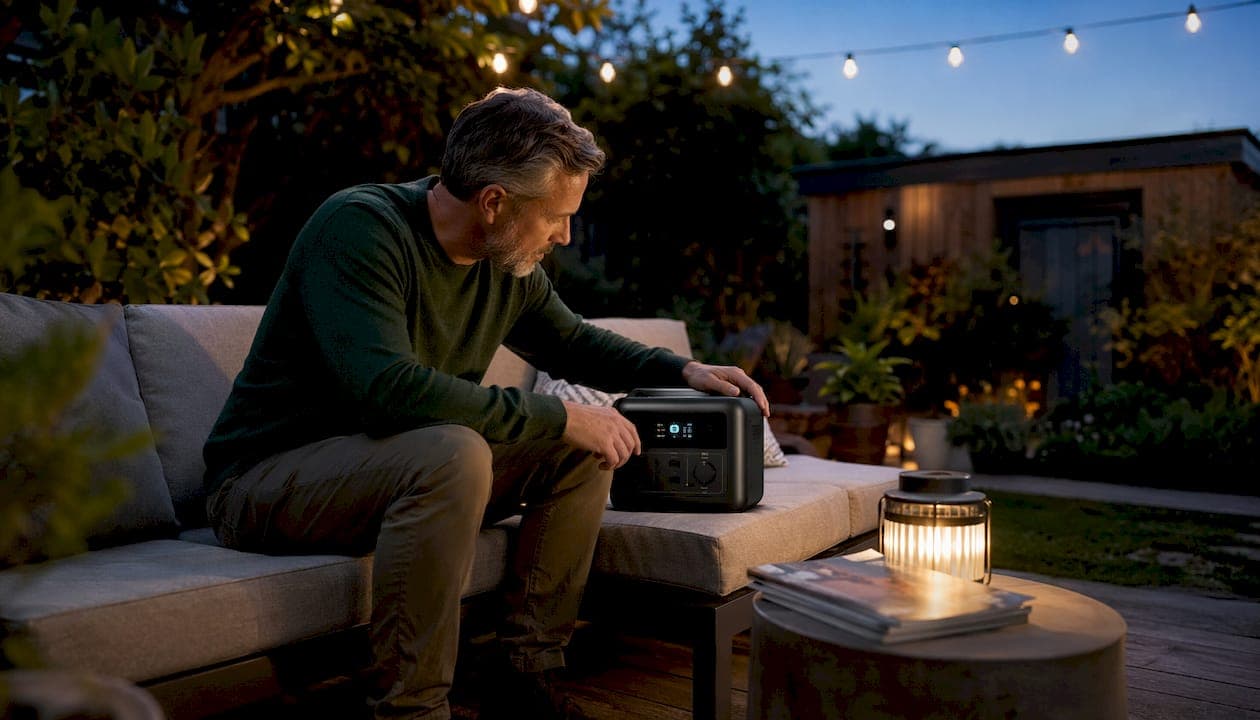
A portable power station's runtime during a blackout comes down to one simple formula: divide the station's watt-hour (Wh) capacity by the total watts your devices draw. A 1,000Wh station powering a 100W device lasts roughly 8–9 hours once you account for inverter losses. Bump that load to 1,000W and the same station runs for roughly 1 hour. Knowing this calculation before an outage hits is what separates a confident plan from a stressful scramble.
Typical runtimes at a glance (1,000Wh station):
- 10W LED lights: 80–90 hours
- 50W fan or small TV: 16–18 hours
- 100W laptop or router setup: 8–9 hours
- 400W mini fridge: 2–2.5 hours
- 1,000W microwave: roughly 1 hour
How long does a power station last in a blackout?
Runtime is not fixed. It shifts with every device you plug in, the temperature outside, and the age of your battery. A portable power station acts as a temporary energy bridge, not a permanent grid replacement. Treat it that way and your planning stays realistic.
One factor most people miss: startup surges. Motors in refrigerators, fans, and air conditioners draw two to three times their rated wattage for a fraction of a second at startup. A station rated for 1,000W continuous output may trip or throttle if a 400W fridge surges to 800W on startup. Always check the surge wattage of your appliances, not just their running wattage.
Key factors that affect your station's runtime
1. Battery capacity and chemistry
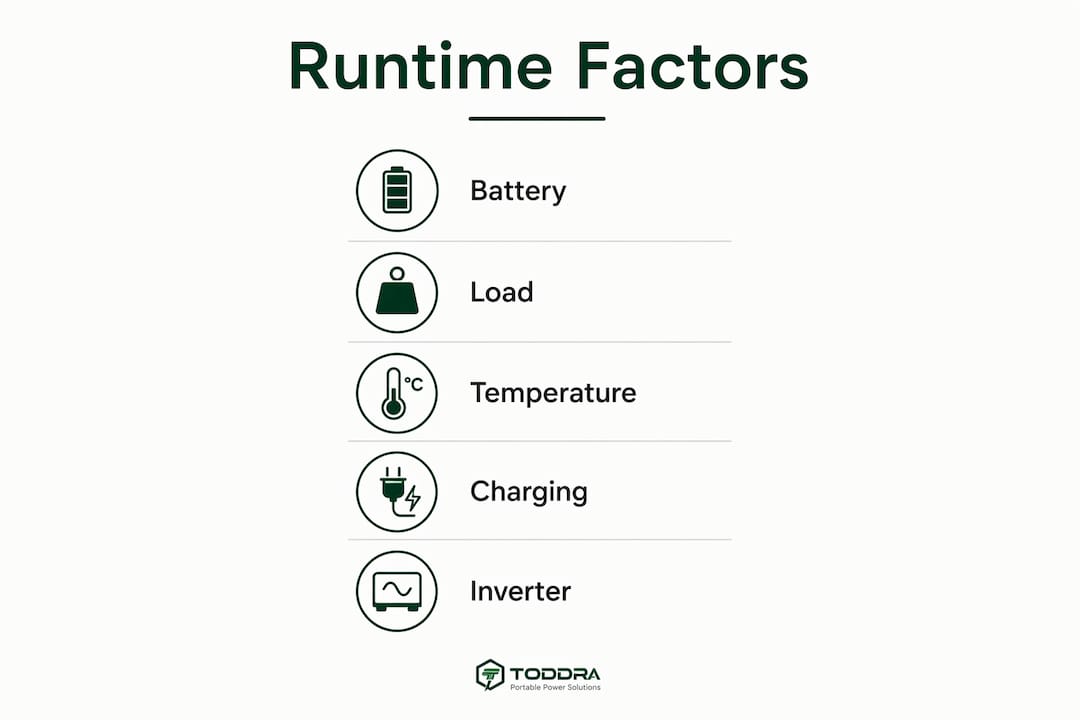
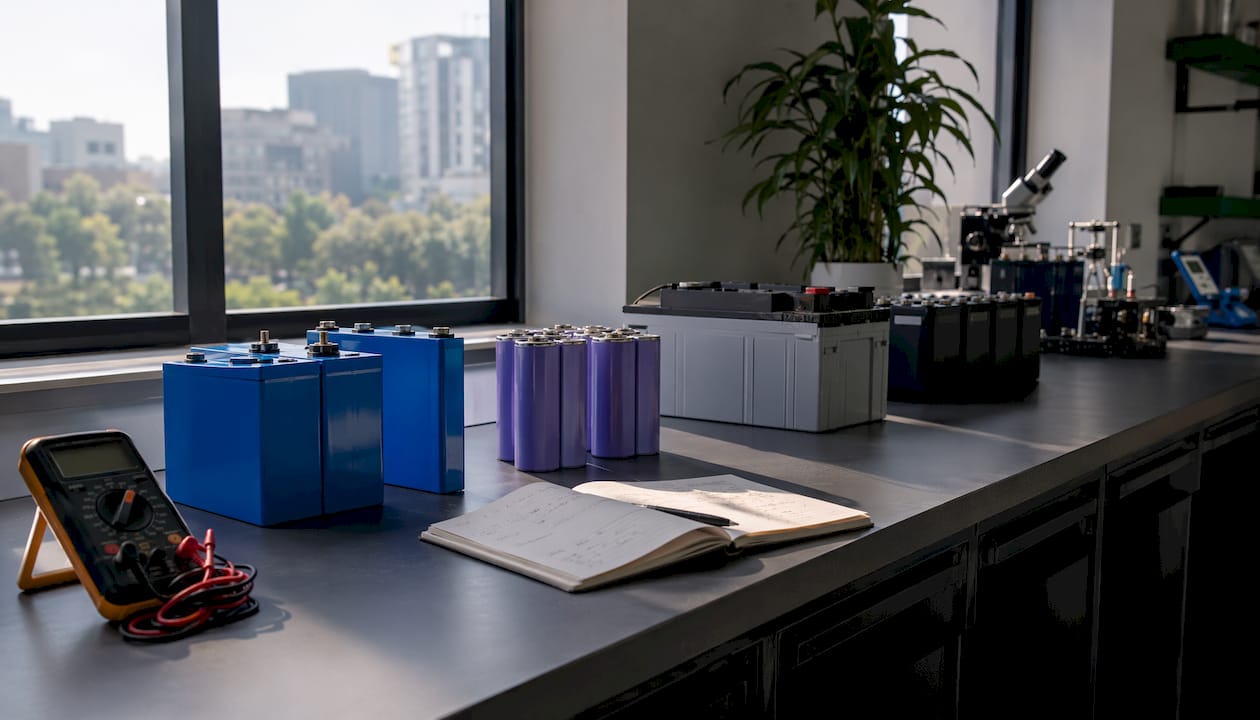
Capacity in watt-hours sets the ceiling. LiFePO4 (lithium iron phosphate) batteries offer longer usable life and better resilience across temperature ranges compared to traditional lead acid. They also hold their rated capacity more consistently over hundreds of charge cycles, which matters when you need reliable backup year after year.
2. Total device load and surge wattage
Every watt you add cuts runtime proportionally. Running a mix of essential devices like lights, a phone charger, and a medical device simultaneously is very different from running a space heater. Prioritize ruthlessly.
3. Temperature and weather conditions
Cold weather reduces battery capacity and inverter efficiency, shortening your available runtime. Heat creates similar stress on battery chemistry. Storing and operating your station indoors during extreme weather protects performance when you need it most.
4. Charging options during the outage
A solar panel connection lets you replenish capacity during daylight hours, extending usefulness across multi-day outages. Car charging is a slower but available fallback. Without any recharging source, your station is a fixed energy budget.
5. Inverter efficiency losses
No inverter converts stored DC power to AC power at 100% efficiency. Real-world losses mean your usable output is somewhat less than the stated watt-hour rating. Factor this into your calculations rather than assuming full capacity delivery.
What typical blackout lengths mean for your planning
Average U.S. customers experienced about 5 hours of outage time per year between 2013 and 2021, based on NREL data. That average, though, masks enormous variation. Planned outages typically last 1–4 hours with advance notice. Unplanned outages range widely depending on damage and utility response.
Statistic to know: During Hurricane Helene in 2024, South Carolina's average statewide outage lasted 53 hours. Some North Carolina mountain customers waited over 14 days for power to return. Winter Storm Uri left up to 4.4 million Texas customers without power for 4–5 days.
Experts warn against planning around average outage lengths. Extreme weather frequency is rising, and worst-case scenarios are no longer rare. Rural customers consistently wait significantly longer than urban customers for restoration after the same storm. If you live outside a city, add several days to any urban-based estimate when sizing your backup power.
Regional worst-case planning benchmarks:
- Southeast (hurricanes): 14+ days in rural areas after a major storm
- Texas (grid strain): 4–5 days during a grid failure event
- Northeast (ice storms, nor'easters): 5–10 days in rural areas
- Pacific Northwest (bomb cyclones): 3–7 days
Thinking about energy like a resource, not a guarantee
The most useful shift you can make is moving from "how long will my station last?" to "how do I make my station last as long as I need?" Managing your load by isolating essential circuits and powering only critical devices extends your available energy far more than buying a bigger station alone.
Portable stations work best as temporary bridges. For outages beyond 24–48 hours, pairing a station with solar panels gives you a renewable recharge path that keeps capacity available day after day.
Pro Tip: Before an outage hits, list your essential devices and their wattages. Add them up, then divide your station's watt-hour capacity by that total. That number is your realistic runtime. Cut any non-essential device from the list and watch your hours multiply.
"Station blackout" in nuclear safety vs. your portable power station
The term "station blackout" means something very specific in a regulatory context. Under 10 CFR 50.63, every light-water-cooled nuclear power plant must withstand a complete loss of AC power for a specified duration, ranging depending on site engineering and backup redundancy. This is a federal safety regulation, not a consumer product standard.
Quick comparison:
- Nuclear station blackout: regulatory mandate, 2–16 hour coping duration, diesel generators and DC battery systems, governed by the NRC
- Portable home power station: no regulatory runtime minimum, capacity set by watt-hours, runtime determined by user load and battery chemistry
The two concepts share a name and nothing else. Your portable station has no mandated endurance floor. Its duration is entirely in your hands.
Toddra has the backup power you can count on
When a blackout stretches past a few hours, having the right station already charged and ready makes all the difference. Toddra carries a carefully selected range of portable battery banks built with LiFePO4 technology, solar compatibility, and fast-charging capability so you are never caught underprepared.
Every product ships with US-based customer support and secure checkout. Whether you are planning for a short outage or a multi-day storm event, Toddra's team is here to help you find the right capacity for your home and lifestyle. Visit Toddra today and choose the station that fits your needs before the next outage arrives.
Key Takeaways
A portable power station's blackout duration depends entirely on battery capacity, device load, temperature, and whether you can recharge during the outage.
| Point | Details |
|---|---|
| Runtime formula | Divide watt-hours by device watts to estimate hours; real output is slightly less due to inverter losses. |
| Blackout length varies widely | U.S. customers average 5 hours yearly, but storms like Hurricane Helene caused 53-hour averages in South Carolina. |
| Worst-case planning matters | Rural customers consistently wait significantly longer than urban customers for restoration after the same storm. |
| Load management extends runtime | Powering only essential devices multiplies available hours far more than capacity alone. |
| Toddra for reliable backup | Toddra offers LiFePO4 portable battery banks with solar compatibility for home and outdoor blackout preparedness. |