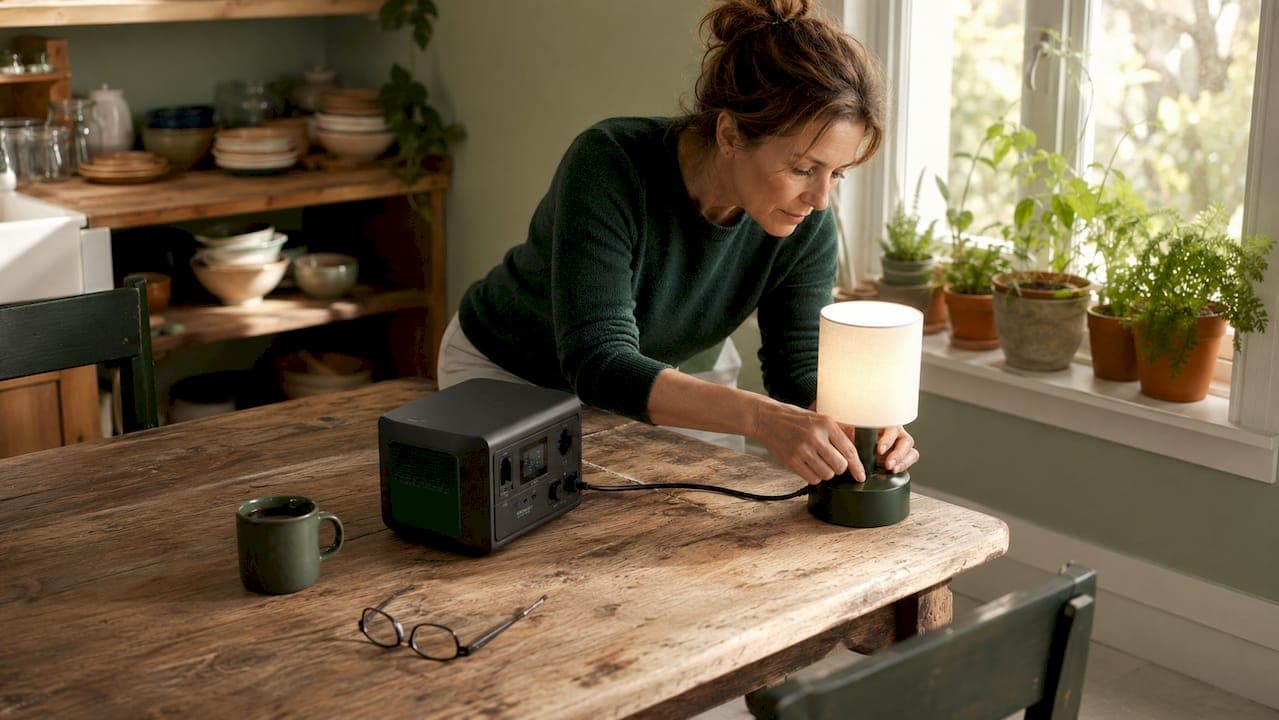
Portable power stations are safer than generators because they produce zero carbon monoxide, require no outdoor setup, and include built-in protections against overheating and electrical faults. Gas-powered generators, by contrast, burn fuel and release carbon monoxide, a colorless, odorless gas that kills without warning. For homeowners managing outages or campers needing reliable energy, understanding why portable power is safer than a generator is the difference between a smart choice and a dangerous one. Brands like Jackery, available through Toddra, build their portable stations around LiFePO4 battery chemistry and certified Battery Management Systems that make indoor use genuinely secure.
Why portable power is safer than a generator for indoor use
The core safety difference between portable power stations and gas generators comes down to combustion. Gas generators burn fuel to produce electricity. That process releases carbon monoxide directly into the surrounding air.
Portable generators cause approximately 85 to 100 CO-related deaths every year in the United States, making them the single largest source of non-fire carbon monoxide fatalities. Over two decades, more than 1,300 Americans have died from generator-related CO exposure. Those deaths happen because people run generators in garages, basements, or near open windows during storms, often out of desperation.
Generators must be operated at least 20 feet from any opening such as a window, door, or vent. Even with UL 2201 CO shutoff sensors installed on newer models, the outdoor use requirement is non-negotiable. A portable power station carries none of that risk. It produces zero combustion emissions and can sit safely on your kitchen counter during a power outage.
A portable power station is the only fully safe indoor power option. No generator, regardless of its safety features, can be used inside a home without CO risk.
This distinction matters most during emergencies. When a winter storm knocks out power at 2 a.m., the temptation to drag a generator into the garage is real. A portable power station removes that temptation entirely. You plug it in, turn it on, and power your essentials without stepping outside.
How battery technology and certifications make portable power stations safer
The safety of a portable power station depends heavily on what is inside it. Battery chemistry is the starting point.
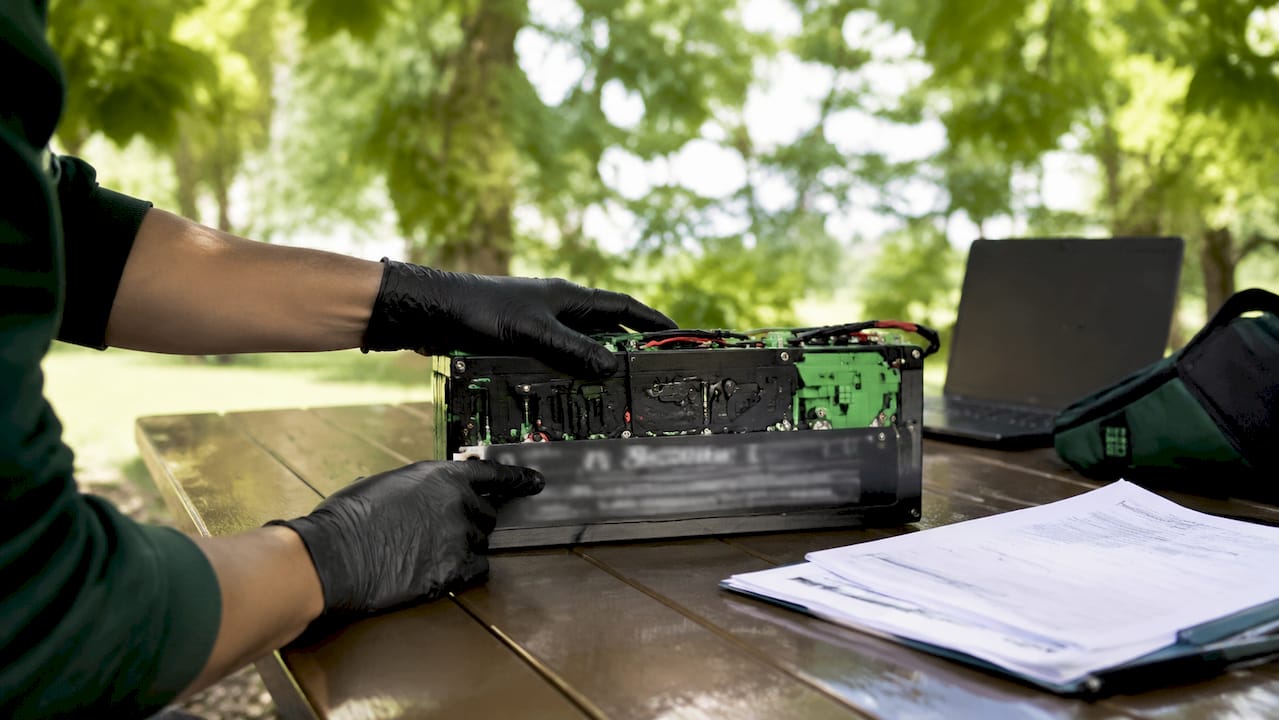
LiFePO4, also called LFP, is the battery chemistry used in the safest portable power stations on the market today. LFP batteries require significantly more heat energy to trigger thermal runaway than older lithium-ion NMC cells. That wider thermal safety margin means LFP batteries are far less likely to overheat, catch fire, or fail catastrophically under stress. Older NMC batteries, found in cheaper units, carry a meaningfully higher risk of dangerous failure in abuse scenarios.
A Battery Management System, or BMS, is the second layer of protection. BMS technology uses multi-layered protections including cell balancing, thermal monitoring, and automatic shutoffs for overcharge, over-discharge, short circuits, and overheating. Think of the BMS as a constant watchdog that prevents the battery from ever reaching a dangerous state.
Certification matters more than most buyers realize. Certified portable power stations show an incident rate of approximately 0.3%, compared to roughly 2.1% for uncertified models. That is a 7x higher risk from buying an uncertified unit. UL 2743 is the specific certification to look for when evaluating portable power station safety.
- Look for UL 2743 certification on the product label or spec sheet
- Confirm the unit uses LFP battery chemistry, not NMC
- Verify the BMS includes overcharge, thermal, and short-circuit protection
- Buy from established brands with documented safety records
- Avoid deeply discounted units from unknown manufacturers
Pro Tip: Check the product's certification documentation before purchasing, not just the marketing copy. A reputable seller will list UL 2743 or equivalent certification clearly in the product specifications.
What safety practices should you follow with a portable power station?
Even the safest portable power station requires responsible use. Good design reduces risk. User behavior determines whether that risk stays low.
- Keep the unit dry. Portable power stations are not waterproof, and moisture exposure causes corrosion and short circuits over time. Store your unit indoors and away from rain, condensation, or humid environments.
- Protect it from drops and impacts. Physical damage can cause internal stress that leads to latent battery failure days or weeks after the incident. Inspect your unit after any significant drop before using it again.
- Use only manufacturer-supplied cables. Third-party cables with incorrect ratings can cause overheating at the connection point. This is one of the most common causes of avoidable electrical incidents.
- Maintain airflow around the unit. Portable power stations use internal fans to manage heat. Blocking the vents by placing the unit in a cabinet or covering it with fabric causes heat to build up inside.
- Avoid extreme heat. Operating a portable power station above 113°F accelerates battery degradation and raises the risk of thermal events. Keep units out of hot cars and direct sunlight during summer months.
Pro Tip: After storing a portable power station for several months, inspect it visually before use. Look for swelling, unusual odors, or discoloration on the casing. These are early signs of internal battery stress.
One often overlooked risk is the inverter inside the unit. The inverter converts DC battery power to AC household voltage and carries the same electric shock potential as a standard wall outlet. Treat the AC ports with the same respect you would give any household electrical outlet. Never probe them, expose them to water, or use damaged cords.
Generator vs portable power: noise, fuel, and maintenance risks
Safety is not only about carbon monoxide. Generators carry several additional risks that portable power stations eliminate entirely.
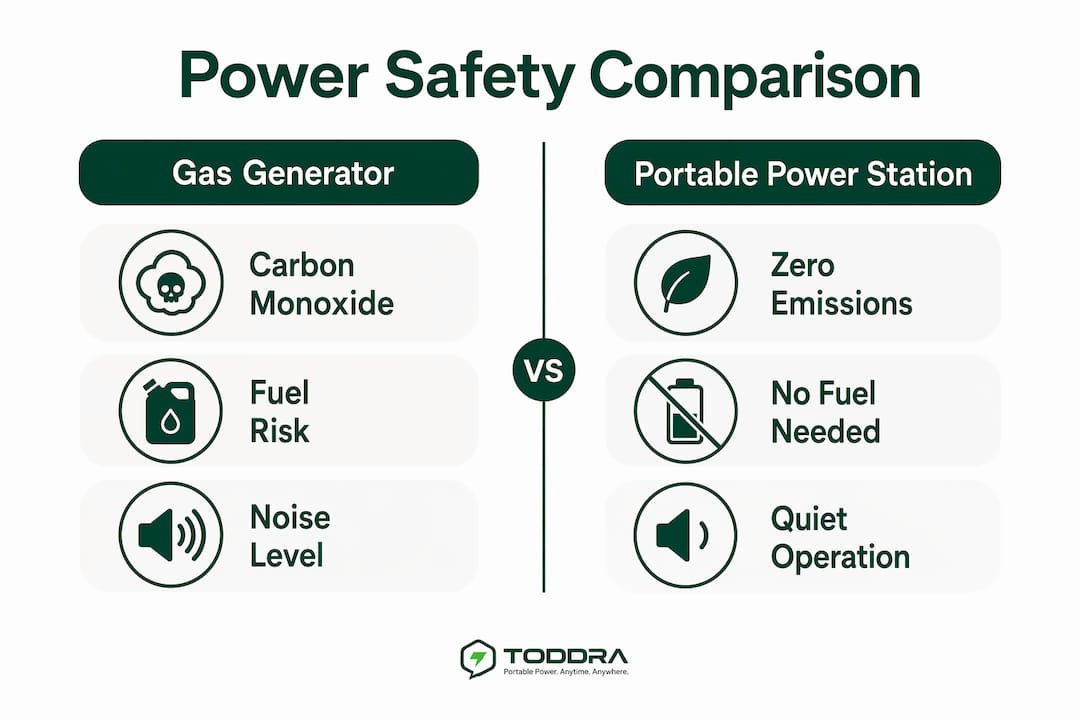
Generators produce noise levels between 65 and 80 dB during operation. That range is comparable to a vacuum cleaner running continuously at close range. Prolonged exposure at those levels causes hearing fatigue and stress, which matters during extended outages or camping trips. Portable power stations operate with only fan noise, typically under 50 dB, which is quieter than a normal conversation.
Fuel handling is a genuine fire hazard. Gasoline degrades over time, and stale fuel clogs carburetors and causes starting failures at the worst possible moments. Spills during refueling create fire risks, especially near heat sources. Generators also require regular oil changes, carburetor cleaning, and fuel management, all of which increase the chance of user error. A portable power station needs none of that. You charge it, store it, and it is ready when you need it.
| Feature | Gas generator | Portable power station |
|---|---|---|
| Carbon monoxide emissions | Yes, requires outdoor use | None |
| Noise level | 65–80 dB | Under 50 dB |
| Fuel handling required | Yes, fire and spill risk | No |
| Regular maintenance | Oil, fuel, carburetor | Minimal |
| Safe for indoor use | No | Yes |
| Startup time | Minutes, setup required | Instant |
The practical implications for camping and emergency preparedness are significant. Portable power stations serve as an insurance policy against the desperation-driven mistakes that cause generator deaths. When power goes out and stress is high, a unit that turns on instantly with no setup removes the conditions that lead to fatal errors.
Key takeaways
Portable power stations eliminate carbon monoxide risk entirely, making them the only safe indoor power source for emergencies, camping, and home backup.
| Point | Details |
|---|---|
| Zero CO emissions | Portable power stations produce no combustion gases and are safe for indoor use. |
| LFP battery safety | LiFePO4 chemistry resists thermal runaway far better than older NMC lithium-ion cells. |
| Certification matters | UL 2743 certified units show a 7x lower incident rate than uncertified models. |
| Fuel and maintenance risks | Generators require fuel handling and regular maintenance that increase user error and fire risk. |
| User responsibility | Even certified units require dry storage, impact protection, and proper airflow to stay safe. |
The safety advantage that specs alone don't capture
I've spent years evaluating portable power options, and the safety gap between portable power stations and gas generators is wider than most product comparisons suggest. The specs tell part of the story. The human behavior piece tells the rest.
The generator deaths that make headlines every winter are not caused by defective products. They are caused by people making understandable decisions under pressure. Someone loses power in a storm, it's cold, the kids are scared, and the generator is in the garage. Running it inside feels like the only option. That is the desperation factor that portable power stations eliminate. There is no equivalent temptation with a battery-based unit.
What I find underappreciated is the certification gap. Buyers focus on watt-hours and output, which are important. But the difference between a UL 2743 certified unit and an uncertified one is not cosmetic. It reflects real engineering decisions about battery quality, BMS design, and thermal management. A cheap, uncertified unit might work fine for years. It might also fail in a way that a certified unit would not.
My honest recommendation is to treat portable power safety as a two-part equation. First, buy a certified unit with LFP chemistry from a brand that stands behind its products. Second, use it correctly. Read the manual, keep it dry, protect it from drops, and give it airflow. The technology is genuinely trustworthy when you meet it halfway. You can learn more about how these systems work in this complete portable power station guide from Toddra's blog.
— Jackson
Explore safe, certified portable power at Toddra
Toddra carries a carefully selected range of portable power stations built around LFP battery chemistry, UL certifications, and zero-emission operation. Every unit in the collection is designed for safe indoor use, quiet operation, and reliable performance when you need it most.
Whether you need a compact station for camping or a high-capacity system for home backup, Toddra's solar generators collection includes options sized for every situation. The Jackery Solar Generator 2000 Plus, available at Toddra, pairs a 2,042Wh LFP power station with solar compatibility and advanced BMS protection for whole-home emergency readiness. Browse the full range at Toddra and find the right fit for your home, your family, and your peace of mind.
FAQ
Can you use a portable power station indoors safely?
Yes. Portable power stations produce zero combustion emissions and are safe for indoor use. Gas generators, by contrast, must be operated at least 20 feet from any home opening due to carbon monoxide risk.
What battery type is safest in a portable power station?
LiFePO4, or LFP, is the safest battery chemistry currently used in portable power stations. It requires significantly more heat energy to trigger thermal runaway than older NMC lithium-ion cells, making it far more stable under stress.
How do I know if a portable power station is certified?
Look for UL 2743 certification in the product specifications. Certified units show an incident rate of approximately 0.3%, compared to roughly 2.1% for uncertified models, a 7x difference in safety risk.
Do portable power stations require maintenance?
Portable power stations require minimal maintenance compared to gas generators. There is no fuel to manage, no oil to change, and no carburetor to clean. Keep the unit dry, protect it from physical damage, and maintain airflow around the vents.
How loud is a portable power station compared to a generator?
Generators operate between 65 and 80 dB. Portable power stations run under 50 dB, producing only quiet fan noise. That difference matters significantly during extended use in a home or campsite.